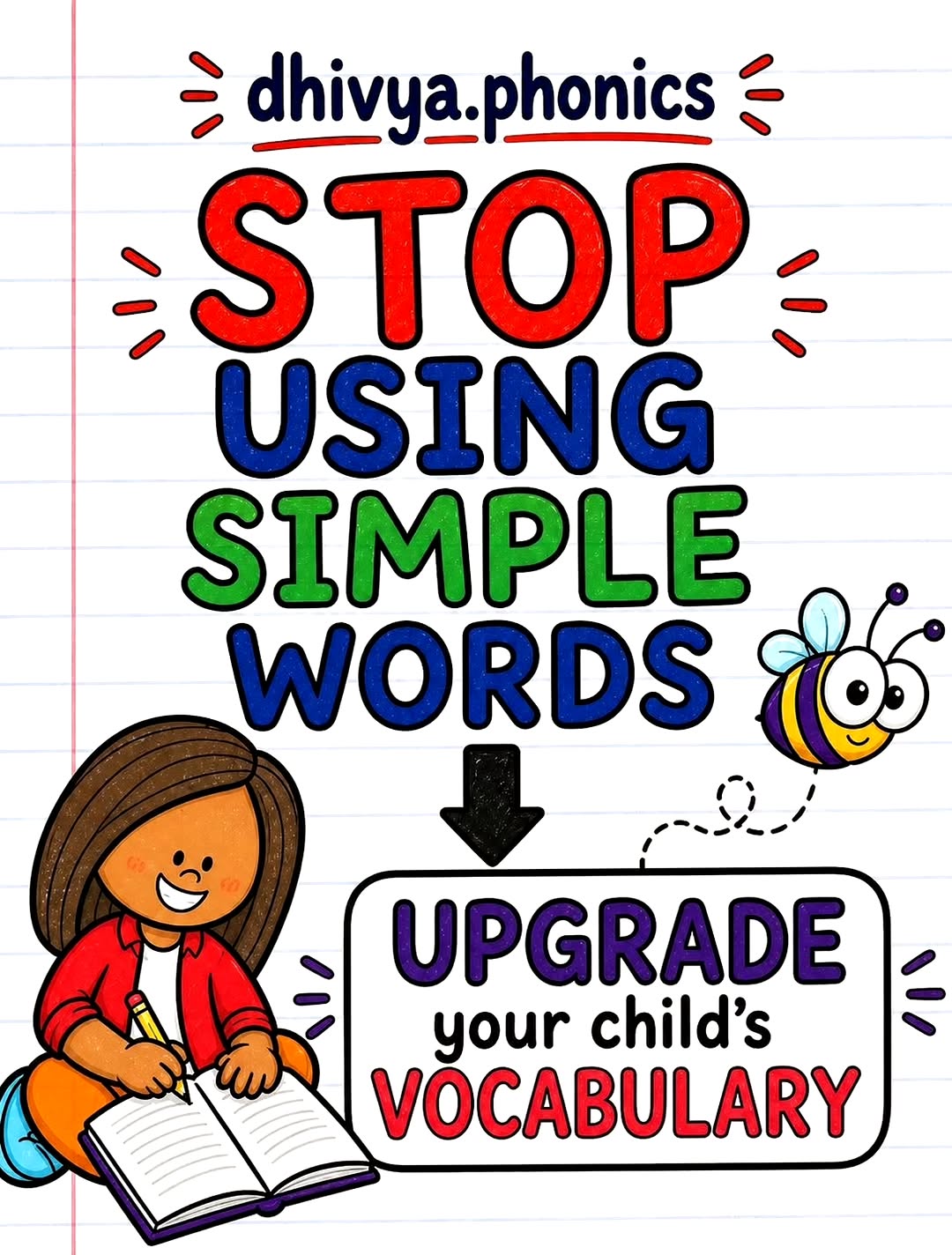
توقف عن استخدام الكلمات البسيطة: كيف تطور مفرداتك في اللغة الإنجليزية ببدائل لكلمات مثل said و went و good

ستتعلم في هذا المقال كيف تتوقف عن استخدام الكلمات الإنجليزية البسيطة والمتكررة. سنقدم لك بدائل أكثر قوة وتحديداً لأفعال شائعة مثل said و went، وصفات مثل happy و good، وغيرها الكثير. سيساعدك هذا على التعبير عن نفسك بشكل أفضل وأكثر دقة.

طور مفرداتك: بدائل ذكية للكلمات الإنجليزية الشائعة

1. الأفعال الشائعة (Common Verbs)

الأفعال هي أساس الجمل. استخدام أفعال أكثر تحديداً يجعل كلامك أو كتابتك أكثر إثارة للاهتمام ووضوحاً. إليك بعض البدائل لأكثر الأفعال شيوعاً.

بدلاً من said، استخدم:

  • asked: وتعني 'سأل'.

    مثال: He asked me about my day.

  • replied: وتعني 'أجاب' أو 'رد'.

    مثال: She replied to the message quickly.

  • whispered: وتعني 'همس'.

    مثال: The child whispered a secret to his friend.

  • shouted: وتعني 'صرخ'.

    مثال: The coach shouted instructions to the team.

  • exclaimed: وتعني 'هتف' أو 'صاح بتعجب'.

    مثال: “What a beautiful view!” she exclaimed.

بدلاً من went، استخدم:

  • walked: وتعني 'مشى'.

    مثال: We walked to the store instead of driving.

  • ran: وتعني 'ركض'.

    مثال: The dog ran across the field.

  • rushed: وتعني 'أسرع' أو 'اندفع'.

    مثال: He rushed to catch the last train.

  • traveled: وتعني 'سافر'.

    مثال: They traveled to Italy for their vacation.

  • moved: وتعني 'انتقل'.

    مثال: My family moved to a new city last year.

بدلاً من looked، استخدم:

  • glanced: وتعني 'ألقى نظرة سريعة'.

    مثال: She glanced at her watch.

  • stared: وتعني 'حدّق'.

    مثال: The cat stared at the bird outside the window.

  • observed: وتعني 'لاحظ' أو 'راقب'.

    مثال: The scientist observed the chemical reaction.

  • noticed: وتعني 'لاحظ'.

    مثال: I noticed a new painting on the wall.

  • watched: وتعني 'شاهد'.

    مثال: We watched a movie last night.

بدلاً من got، استخدم:

  • received: وتعني 'استلم'.

    مثال: I received a gift for my birthday.

  • gained: وتعني 'اكتسب'.

    مثال: He gained a lot of experience from his job.

  • obtained: وتعني 'حصل على'.

    مثال: She obtained a visa to travel abroad.

  • grabbed: وتعني 'أمسك' أو 'التقط'.

    مثال: He grabbed his keys before leaving.

  • earned: وتعني 'كسب'.

    مثال: She earned a promotion at work.

بدلاً من made، استخدم:

  • created: وتعني 'أنشأ' أو 'ابتكر'.

    مثال: The artist created a beautiful sculpture.

  • built: وتعني 'بنى'.

    مثال: They built a new house near the beach.

  • prepared: وتعني 'أعدّ' أو 'جهّز'.

    مثال: My mother prepared a delicious dinner.

  • designed: وتعني 'صمّم'.

    مثال: He designed the new company logo.

  • formed: وتعني 'شكّل'.

    مثال: The children formed a circle.

بدلاً من told، استخدم:

  • informed: وتعني 'أبلغ'.

    مثال: The manager informed the staff about the new policy.

  • explained: وتعني 'شرح'.

    مثال: The teacher explained the lesson clearly.

  • shared: وتعني 'شارك'.

    مثال: He shared his ideas with the group.

  • instructed: وتعني 'أرشد' أو 'أعطى تعليمات'.

    مثال: The guide instructed the tourists to stay together.

  • warned: وتعني 'حذّر'.

    مثال: She warned him not to be late.

2. المشاعر (Feelings)

وصف المشاعر بدقة يجعل تواصلك أكثر تأثيراً. بدلاً من استخدام كلمات عامة، جرب هذه البدائل.

بدلاً من happy، استخدم:

  • joyful: وتعني 'مبتهج'.

    مثال: It was a joyful celebration.

  • cheerful: وتعني 'مرح' أو 'بشوش'.

    مثال: He has a very cheerful personality.

  • delighted: وتعني 'مسرور جداً'.

    مثال: I was delighted to see my old friends.

  • thrilled: وتعني 'متحمس جداً' أو 'سعيد للغاية'.

    مثال: She was thrilled with her exam results.

  • glad: وتعني 'سعيد' أو 'ممتن'.

    مثال: I'm glad you could come to the party.

بدلاً من sad، استخدم:

  • unhappy: وتعني 'غير سعيد'.

    مثال: The boy was unhappy because he lost his toy.

  • gloomy: وتعني 'كئيب' أو 'متجهم'.

    مثال: The rainy weather made me feel gloomy.

  • miserable: وتعني 'بائس' أو 'تعيس'.

    مثال: He felt miserable after failing the test.

  • upset: وتعني 'منزعج' أو 'مستاء'.

    مثال: She was upset about the bad news.

  • sorrowful: وتعني 'حزين' أو 'مفعم بالأسى'.

    مثال: They had a sorrowful look on their faces.

بدلاً من angry، استخدم:

  • furious: وتعني 'غاضب جداً'.

    مثال: My father was furious when I broke the vase.

  • annoyed: وتعني 'منزعج'.

    مثال: I was annoyed by the loud noise.

  • irritated: وتعني 'مستفز' أو 'متهيج'.

    مثال: The constant interruptions made him feel irritated.

  • mad: وتعني 'غاضب' (غير رسمية).

    مثال: Don't be mad at me.

  • upset: وتعني 'منزعج' أو 'مستاء'.

    مثال: He was upset that his flight was canceled.

بدلاً من scared، استخدم:

  • afraid: وتعني 'خائف'.

    مثال: Many people are afraid of spiders.

  • frightened: وتعني 'مرعوب'.

    مثال: The loud thunder frightened the little girl.

  • nervous: وتعني 'متوتر'.

    مثال: I always feel nervous before an exam.

  • terrified: وتعني 'مذعور'.

    مثال: She is terrified of flying.

  • worried: وتعني 'قلق'.

    مثال: My parents were worried because I was late.

بدلاً من excited، استخدم:

  • thrilled: وتعني 'متحمس جداً'.

    مثال: We were thrilled to hear the good news.

  • eager: وتعني 'متلهف'.

    مثال: The students were eager to start the project.

  • energetic: وتعني 'مليء بالطاقة'.

    مثال: The children were very energetic at the playground.

  • happy: وتعني 'سعيد'.

    مثال: He was happy to be on vacation.

  • lively: وتعني 'حيوي' أو 'مفعم بالحياة'.

    مثال: The party was very lively.

بدلاً من tired، استخدم:

  • sleepy: وتعني 'نعسان'.

    مثال: The baby is getting sleepy.

  • exhausted: وتعني 'منهك'.

    مثال: After the long hike, I was completely exhausted.

  • worn out: وتعني 'مرهق تماماً'.

    مثال: I feel worn out after a long week of work.

  • weak: وتعني 'ضعيف'.

    مثال: He felt weak after being sick.

  • drained: وتعني 'مستنزف الطاقة'.

    مثال: The meeting was so long, I feel drained.

3. الحجم والمظهر (Size & Look)

عندما تصف الأشياء أو الأشخاص، استخدام كلمات متنوعة يعطي صورة أوضح للمستمع.

بدلاً من big، استخدم:

  • huge: وتعني 'ضخم'.

    مثال: They live in a huge house.

  • enormous: وتعني 'هائل'.

    مثال: An elephant is an enormous animal.

  • giant: وتعني 'عملاق'.

    مثال: That is a giant tree.

  • massive: وتعني 'ضخم جداً'.

    مثال: The project requires a massive amount of work.

  • gigantic: وتعني 'هائل الحجم'.

    مثال: A gigantic wave crashed on the shore.

بدلاً من small، استخدم:

  • tiny: وتعني 'صغير جداً'.

    مثال: A tiny insect was on the leaf.

  • little: وتعني 'صغير'.

    مثال: She has a little dog.

  • mini: وتعني 'مصغّر'.

    مثال: He bought a mini camera.

  • compact: وتعني 'مدمج' أو 'صغير الحجم'.

    مثال: My apartment is very compact.

  • minute: (تُنطق my-NOOT) وتعني 'دقيق' أو 'صغير للغاية'.

    مثال: There were minute details in the drawing.

بدلاً من pretty، استخدم:

  • beautiful: وتعني 'جميل'.

    مثال: The sunset was beautiful.

  • lovely: وتعني 'جميل' أو 'محبوب'.

    مثال: What a lovely dress!

  • gorgeous: وتعني 'رائع الجمال'.

    مثال: The bride looked gorgeous.

  • attractive: وتعني 'جذاب'.

    مثال: He is a very attractive person.

  • elegant: وتعني 'أنيق'.

    مثال: She has a very elegant style.

بدلاً من ugly، استخدم:

  • unattractive: وتعني 'غير جذاب'.

    مثال: They painted the building an unattractive color.

  • unpleasant: وتعني 'غير سار' أو 'بغيض'.

    مثال: There was an unpleasant smell in the room.

  • messy: وتعني 'فوضوي'.

    مثال: His room is always messy.

  • dull: وتعني 'باهت' أو 'ممل'.

    مثال: The movie was very dull.

  • rough: وتعني 'خشن'.

    مثال: The surface of the rock was rough.

بدلاً من tall، استخدم:

  • high: وتعني 'مرتفع' أو 'عالٍ'.

    مثال: The kite flew high in the sky.

  • towering: وتعني 'شاهق'.

    مثال: The city has many towering skyscrapers.

  • long: وتعني 'طويل'.

    مثال: She has long hair.

  • giant: وتعني 'عملاق'.

    مثال: He is a giant man.

  • big: وتعني 'كبير'.

    مثال: That's a big building.

بدلاً من short، استخدم:

  • small: وتعني 'صغير'.

    مثال: He is a small child for his age.

  • little: وتعني 'صغير'.

    مثال: My little brother is five years old.

  • brief: وتعني 'موجز' أو 'قصير'.

    مثال: We had a brief meeting.

  • tiny: وتعني 'صغير جداً'.

    مثال: She lives in a tiny apartment.

  • low: وتعني 'منخفض'.

    مثال: The ceiling in this room is very low.

4. الحركة (Movement)

وصف الحركة بدقة يضيف حيوية إلى قصصك. انظر كيف يمكن لهذه الكلمات أن تغير معنى الجملة.

بدلاً من walked، استخدم:

  • strolled: وتعني 'تنزه' أو 'تمشى على مهل'.

    مثال: They strolled through the park on Sunday afternoon.

  • marched: وتعني 'سار' (بخطى عسكرية أو منتظمة).

    مثال: The soldiers marched in the parade.

  • wandered: وتعني 'تجول' أو 'هام على وجهه'.

    مثال: He wandered around the city with no destination.

  • paced: وتعني 'ذرع المكان جيئة وذهاباً'.

    مثال: She paced back and forth while waiting for the news.

  • rushed: وتعني 'أسرع'.

    مثال: He rushed out of the house to avoid being late.

بدلاً من ran، استخدم:

  • sprinted: وتعني 'ركض بأقصى سرعة'.

    مثال: The athlete sprinted to the finish line.

  • dashed: وتعني 'اندفع'.

    مثال: She dashed to the door when the bell rang.

  • raced: وتعني 'سابق'.

    مثال: The children raced each other to the tree.

  • hurried: وتعني 'أسرع'.

    مثال: We hurried to get out of the rain.

  • rushed: وتعني 'اندفع'.

    مثال: They rushed to the hospital.

بدلاً من jumped، استخدم:

  • hopped: وتعني 'قفز' (على قدم واحدة أو قفزات قصيرة).

    مثال: The rabbit hopped across the garden.

  • leaped: وتعني 'وثب'.

    مثال: The dancer leaped gracefully across the stage.

  • bounced: وتعني 'ارتد' أو 'نط'.

    مثال: The kids bounced on the trampoline.

  • skipped: وتعني 'قفز بخفة' أو 'حجل'.

    مثال: The little girl skipped down the street.

  • sprang: وتعني 'قفز فجأة' (الماضي من spring).

    مثال: The cat sprang onto the table.

بدلاً من sat، استخدم:

  • rested: وتعني 'استراح'.

    مثال: He rested on the sofa after work.

  • settled: وتعني 'استقر'.

    مثال: She settled into the comfortable armchair with a book.

  • relaxed: وتعني 'استرخى'.

    مثال: We relaxed by the pool all day.

  • leaned: وتعني 'اتكأ'.

    مثال: He leaned against the wall.

  • stayed: وتعني 'بقي'.

    مثال: He stayed on the couch watching TV.

بدلاً من stood، استخدم:

  • waited: وتعني 'انتظر'.

    مثال: She waited at the bus stop for ten minutes.

  • remained: وتعني 'بقي'.

    مثال: He remained standing even after everyone else sat down.

  • stayed: وتعني 'بقي'.

    مثال: They stayed in one place for hours.

  • paused: وتعني 'توقف مؤقتاً'.

    مثال: The speaker paused to take a sip of water.

  • halted: وتعني 'توقف'.

    مثال: The car halted at the red light.

بدلاً من fell، استخدم:

  • dropped: وتعني 'سقط' أو 'أسقط'.

    مثال: The cup dropped from my hand.

  • slipped: وتعني 'انزلق'.

    مثال: He slipped on the wet floor.

  • tumbled: وتعني 'تعثر' أو 'تدحرج'.

    مثال: The child tumbled down the small hill.

  • collapsed: وتعني 'انهار'.

    مثال: The old building collapsed during the earthquake.

  • crashed: وتعني 'اصطدم'.

    مثال: The car crashed into a tree.

5. كلمات الاستخدام اليومي (Daily Use Words)

هذه الكلمات نستخدمها كل يوم. تعلم بدائلها يثري محادثاتك اليومية.

بدلاً من like، استخدم:

  • love: وتعني 'يحب'.

    مثال: I love spending time with my family.

  • enjoy: وتعني 'يستمتع بـ'.

    مثال: We enjoy walking on the beach.

  • prefer: وتعني 'يفضل'.

    مثال: I prefer coffee to tea.

  • admire: وتعني 'يعجب بـ'.

    مثال: I admire her dedication and hard work.

  • appreciate: وتعني 'يقدر'.

    مثال: I really appreciate your help.

بدلاً من want، استخدم:

  • need: وتعني 'يحتاج'.

    مثال: I need to buy some groceries.

  • wish: وتعني 'يتمنى'.

    مثال: I wish I could travel more often.

  • desire: وتعني 'يرغب'.

    مثال: He has a strong desire to succeed.

  • hope: وتعني 'يأمل'.

    مثال: We hope to see you soon.

  • plan: وتعني 'يخطط'.

    مثال: They plan to start a new business.

بدلاً من help، استخدم:

  • support: وتعني 'يدعم'.

    مثال: It's important to support your friends.

  • assist: وتعني 'يساعد'.

    مثال: Can you assist me with this heavy box?

  • guide: وتعني 'يرشد'.

    مثال: A mentor can guide you in your career.

  • aid: وتعني 'يعين' أو 'يساعد'.

    مثال: The organization provides aid to people in need.

  • serve: وتعني 'يخدم'.

    مثال: He chose a career to serve his community.

بدلاً من try، استخدم:

  • attempt: وتعني 'يحاول'.

    مثال: He will attempt to break the world record.

  • endeavour: وتعني 'يسعى جاهداً'.

    مثال: We always endeavour to provide the best service.

  • strive: وتعني 'يكافح' أو 'يجتهد'.

    مثال: She strives to be the best in her class.

  • make an effort: وتعني 'يبذل جهداً'.

    مثال: You should make an effort to be on time.

  • have a go: وتعني 'يجرب' (غير رسمية).

    مثال: I've never painted before, but I'll have a go.

  • give it a shot: وتعني 'يجرب' (غير رسمية).

    مثال: This recipe looks difficult, but I'll give it a shot.

بدلاً من think، استخدم:

  • believe: وتعني 'يعتقد'.

    مثال: I believe you can do it.

  • feel: وتعني 'يشعر' أو 'يعتقد'.

    مثال: I feel this is the right decision.

  • guess: وتعني 'يخمن'.

    مثال: I guess it will rain tomorrow.

  • consider: وتعني 'يفكر في' أو 'يأخذ بعين الاعتبار'.

    مثال: You should consider all the options.

  • imagine: وتعني 'يتخيل'.

    مثال: Can you imagine living on another planet?

بدلاً من say، استخدم:

  • speak: وتعني 'يتحدث'.

    مثال: She can speak three languages.

  • tell: وتعني 'يخبر'.

    مثال: Can you tell me the time?

  • express: وتعني 'يعبر عن'.

    مثال: He found it difficult to express his feelings.

  • mention: وتعني 'يذكر'.

    مثال: Did he mention my name?

  • talk: وتعني 'يتكلم'.

    مثال: We need to talk about our plans.

6. كلمات الجودة (Quality Words)

كلمات مثل 'good' و 'bad' عامة جداً. استخدم كلمات أكثر تحديداً لوصف الجودة بشكل أفضل.

بدلاً من good، استخدم:

  • great: وتعني 'عظيم'.

    مثال: We had a great time at the concert.

  • excellent: وتعني 'ممتاز'.

    مثال: The food at that restaurant is excellent.

  • amazing: وتعني 'مذهل'.

    مثال: The view from the mountain was amazing.

  • wonderful: وتعني 'رائع'.

    مثال: Thank you for the wonderful gift.

  • fantastic: وتعني 'خيالي' أو 'رائع جداً'.

    مثال: You did a fantastic job on the presentation.

بدلاً من bad، استخدم:

  • poor: وتعني 'سيء' أو 'رديء'.

    مثال: The quality of the product was poor.

  • terrible: وتعني 'فظيع'.

    مثال: The traffic was terrible this morning.

  • awful: وتعني 'سيء جداً'.

    مثال: I had an awful headache.

  • horrible: وتعني 'مريع'.

    مثال: The weather was horrible all weekend.

  • unpleasant: وتعني 'غير سار'.

    مثال: He had an unpleasant experience at the hotel.

بدلاً من nice، استخدم:

  • kind: وتعني 'لطيف'.

    مثال: It was very kind of you to help me.

  • polite: وتعني 'مهذب'.

    مثال: He is always polite to everyone.

  • friendly: وتعني 'ودود'.

    مثال: The local people are very friendly.

  • caring: وتعني 'مهتم' أو 'حنون'.

    مثال: She is a very caring mother.

  • gentle: وتعني 'رقيق'.

    مثال: Be gentle with the puppy.

بدلاً من funny، استخدم:

  • silly: وتعني 'سخيف' (بطريقة مضحكة).

    مثال: The children were making silly faces.

  • amusing: وتعني 'مسلٍّ'.

    مثال: He told us an amusing story.

  • humorous: وتعني 'فكاهي'.

    مثال: The book is very humorous.

  • playful: وتعني 'مرح'.

    مثال: The kitten is very playful.

  • comic: وتعني 'هزلي'.

    مثال: The actor has great comic timing.

بدلاً من smart، استخدم:

  • clever: وتعني 'ذكي'.

    مثال: That was a clever solution to the problem.

  • intelligent: وتعني 'ذكي' (بشكل أعمق).

    مثال: Dolphins are highly intelligent animals.

  • bright: وتعني 'لامع' أو 'ذكي'.

    مثال: She is a very bright student.

  • sharp: وتعني 'حاد الذهن'.

    مثال: He has a sharp mind for business.

  • wise: وتعني 'حكيم'.

    مثال: My grandfather gave me some wise advice.

بدلاً من fast، استخدم:

  • quick: وتعني 'سريع'.

    مثال: I need a quick answer.

  • rapid: وتعني 'سريع' (يصف التغيير أو الحركة).

    مثال: The city has seen rapid growth.

  • speedy: وتعني 'سريع'.

    مثال: We wish you a speedy recovery.

  • swift: وتعني 'خاطف' أو 'سريع جداً'.

    مثال: The eagle made a swift dive.

  • hurried: وتعني 'متعجل'.

    مثال: He ate a hurried breakfast.

Key takeaways

أنت الآن تعرف كيف تستبدل الكلمات البسيطة مثل said، went، happy، و good ببدائل أكثر قوة وتحديداً. يمكنك الآن استخدام كلمات مثل whispered، strolled، delighted، و excellent لجعل لغتك الإنجليزية أكثر ثراءً وتأثيراً في محادثاتك وكتاباتك اليومية.

جاهز للتدريب؟

ابدأ التدريب التفاعلي على الويب.

ابدأ التدريب

سؤال وجواب المجتمع

اطرح سؤالًا

13

S
Sarah ·

هذا مفيد جدًا! قائمة الكلمات البديلة لـ `said` مذهلة. أنا دائمًا أستخدم `said` فقط.

1 إجابة عرض
L LingUp LingUp ·
3

نعم! سأحاول استخدام `exclaimed`.
شاهد النصيحة الأصلية على إنستغرام

طور مفرداتك: بدائل ذكية للكلمات الإنجليزية الشائعة

افتح المنشور

https://www.instagram.com/p/DYTtXqiDfOB/

فتح

تمارين مفردات مشابهة

عرض الكل
جارٍ التحميل…

استكشف مواضيع أخرى

تصفح كل المواضيع

حول محمد هانی

محمد هانی

حول محمد هانی

4.9
@english_with_hani1 688.6K متابعين

مدرس انجليزي

140

نصائح تدريب

4.9

تقييمات

688.6K

متابعو إنستغرام

عرض إنستغرام